





RENEW: Biodiversity Parliament 2022
In late 2022, Foreground Director Simon Morrissey worked with researchers from RENEW, the major new 5-year biodiversity renewal research programme led by The University of Exeter and The National Trust, to design the programme’s first event: The Biodiversity Parliament.
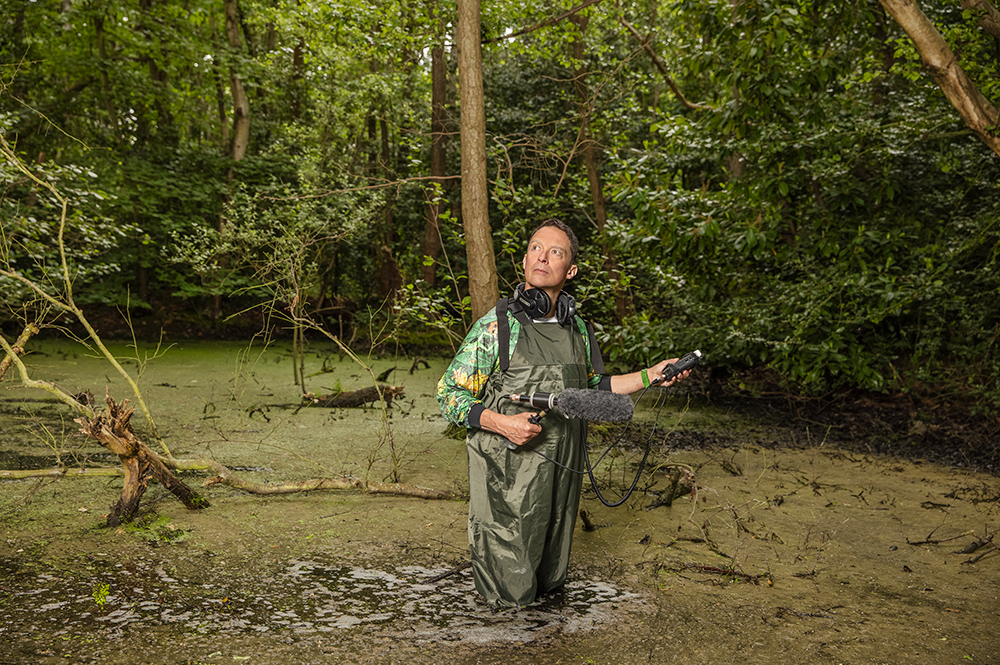
The Parliament, which took place on 18th and 19th October 2022 in Exeter, brought representatives of over 20 partner organisations together with artists Adam Chodzko, Heather Peak and Rehana Zaman to workshop innovative responses to some of the most pressing questions around sustaining biodiversity in the United Kingdom.
The Biodiversity Parliament appropriated the idea of the Select Committees that operate in both houses of the UK Parliament, and mixed this with ideas of deliberative democracy. Whereas Select Committees in Westminster check and report on areas ranging from the work of government departments to economic affairs, within the Biodiversity Parliament the Committees interrogated two key questions over the two days: No Access without Impact? and What Cost Food Security?
These questions investigated two significant concerns; the challenge of increasing people’s access to nature whilst needing to also renew and restore our depleted biodiversity; the challenge of ensuring adequate levels of food production whilst giving over more of our landscape and seascape to nature. The selected topics cut across multiple strands of the RENEW programme of research, and stimulated discussions that helped shape the programme’s work to reshape understanding and action on biodiversity renewal, and influence national institutions, communities and individuals, in the years ahead.
Each day began with an evidence session featuring contributions from leading figures in the relevant debates, much as a Select Committee draws on special advisors. At the Biodiversity Parliament, however, these speakers presented provocations designed to stimulate new ways of thinking about these issues. Speakers included Anne-Charlotte Mornington (Head of Impact, Olio), Clive Mitchell (Strategic Resource Manager, NatureScot), Dan Raven Ellison (Founder, Slow Ways), Professor Jonathan A. Napier DSc (Flagship Leader, Rothamsted Research), Professor Michael Winter, OBE (Professor of Land Economy and Society, Department of Politics, University of Exeter), Sue Sayer (Founder & Director, Cornwall Seal Group Research Trust) and Professor Tim Benton (Research Director, Emerging Risks; Director, Environment and Society Programme, Chatham House).
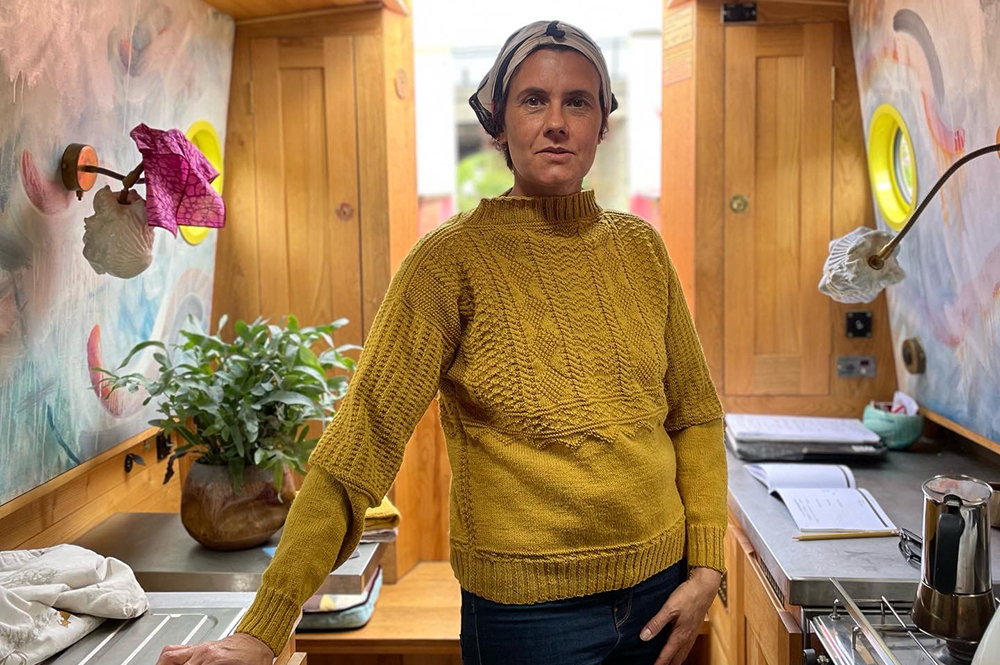
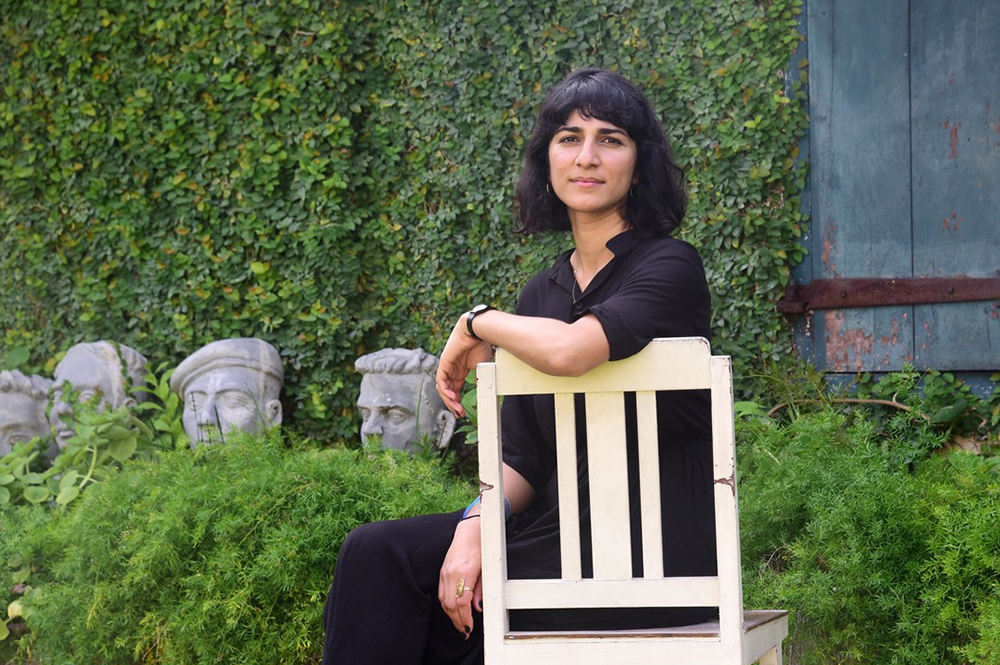
Experienced in working with participant groups through their individual practices, Chodzko, Peak and Zaman then lead breakout sessions that were exercises in deliberative democracy: sessions where all members took on the role of equal citizens regardless of experience or expertise to formulate informed recommendations in response to that day’s question. These recommendations were then reported back to the entire delegate body in a hearing at the end of each day.
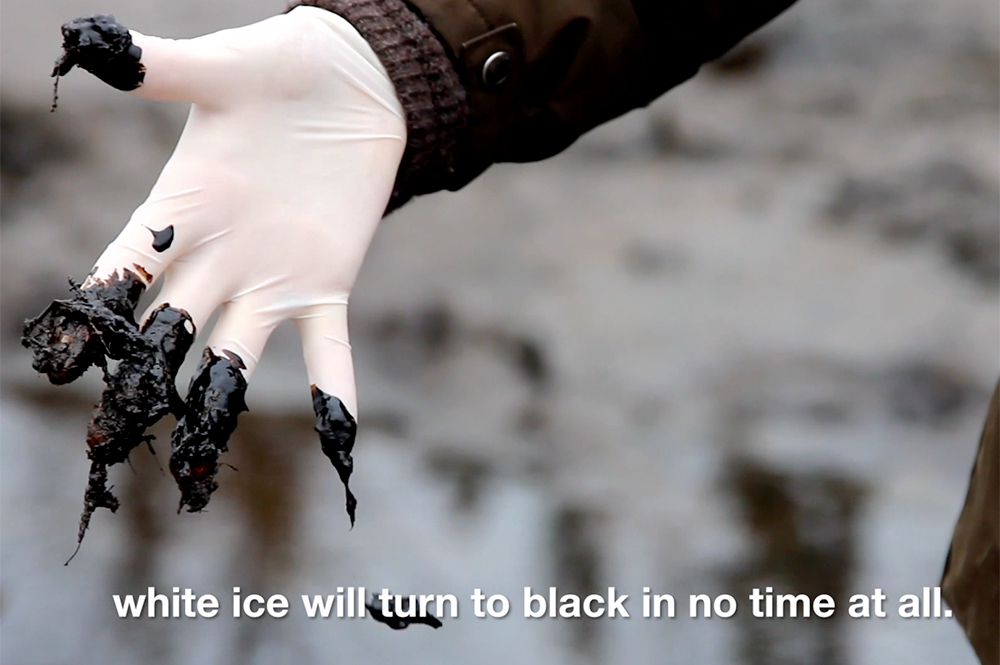
The artists participation in the event was framed over the two-day programme through a curated film programme of their work and a series of artists talks.
Further information about RENEW and its ambitions can be found here.
Supporters